
AI video analytics: what to switch on first, and what to leave off
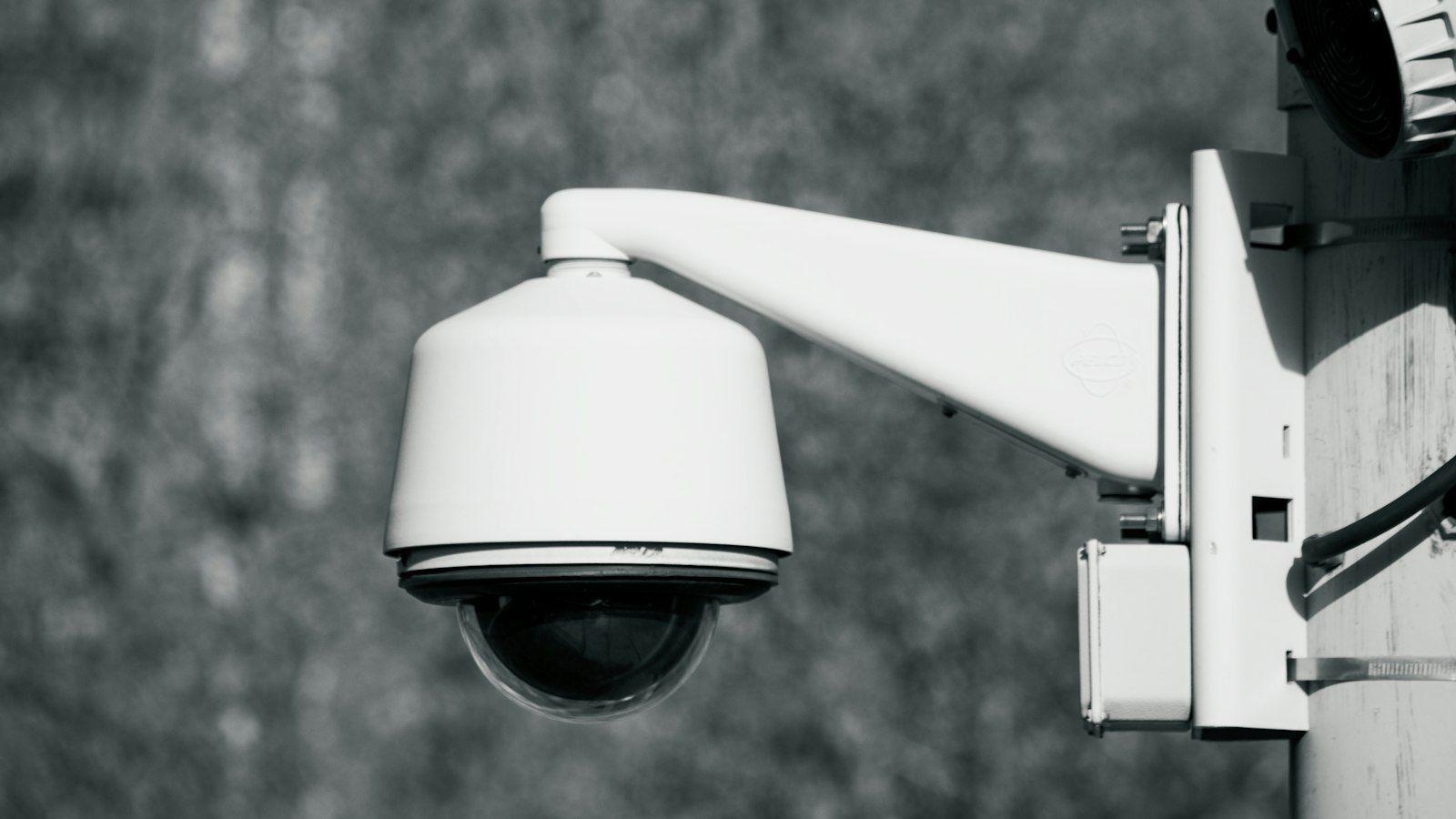
Most modern cameras and recorders come with a long list of AI features: intrusion detection, line crossing, number plate recognition, people counting, loitering, abandoned objects and more. It is tempting to switch everything on. In practice that is the fastest way to make a good system useless.
Here is how we approach analytics when we set up a new site.
Switch on first
- Zone alerts after hours. Fence lines, rooftops, storage yards and back entrances, active only when nobody should be there. With a well-drawn zone, every alert is worth looking at.
- Number plate recognition at the gate. Every vehicle in and out, searchable by plate and time. This replaces hours of scrolling through footage when you need to find one car.
- People counting where it matters. Entrances, lobbies and waiting areas. Useful for retail, offices and residential buildings that want to understand traffic and staffing.
Leave off, at least at first
- Detection on cameras facing the sun or a bright lamp. Afternoon glare and reflections will trigger alerts all day.
- Every detector at once. When alerts arrive every few minutes, operators stop reacting to them, including the ones that matter.
- Analytics on cameras mounted too high or too far. When a person is only a few pixels wide, the algorithm has nothing to work with.
Why analytics underperform in the UAE
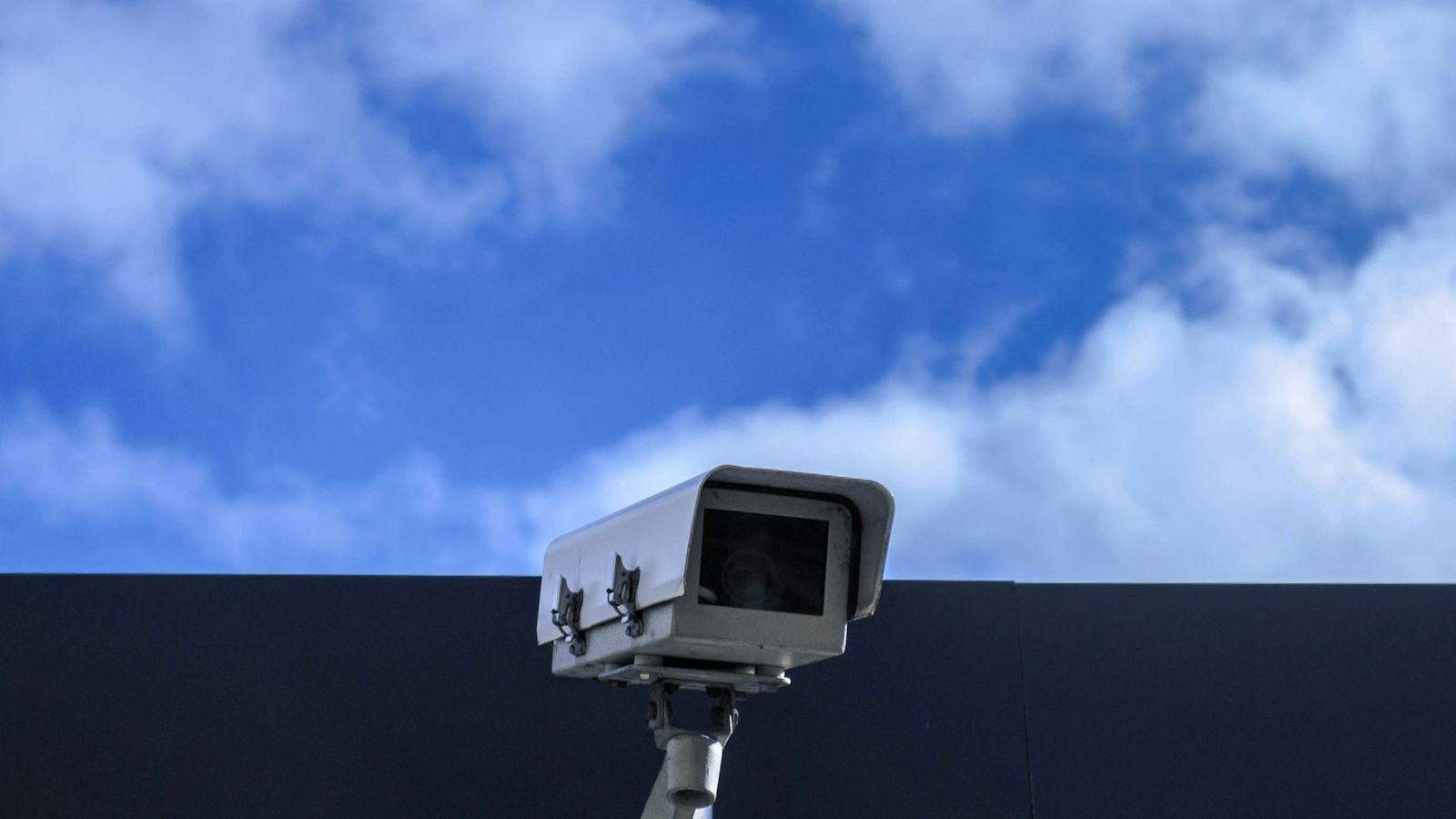
Strong sun, heat haze and dust are the usual reasons. Haze over hot asphalt makes the image shimmer, which some algorithms read as movement. Low sun in the morning and evening floods the sensor. Dust on the lens softens the picture and reduces detection accuracy over time.
Most of this comes down to camera position and settings. Choosing the angle so the camera does not face the sun, setting the right exposure for the scene, and cleaning lenses as part of regular maintenance solve a large share of false alerts.
A simple way to start
- Pick two or three rules tied to a real problem on your site, for example after-hours entry to the yard or tracking vehicles at the gate.
- Run them for two weeks and review every alert. Adjust zones, sensitivity and schedules.
- Only when those rules are reliable, add the next one.
This keeps the alert stream small enough that people actually look at it, which is the whole point of analytics.
Already have cameras?
Analytics can often be added to an existing system, depending on the cameras and recorder you have. We start with an audit: which cameras are suitable, how they are positioned and what can be improved before any AI rules are enabled.